Understanding the Different Kinds Of Paint and Their Special Applications
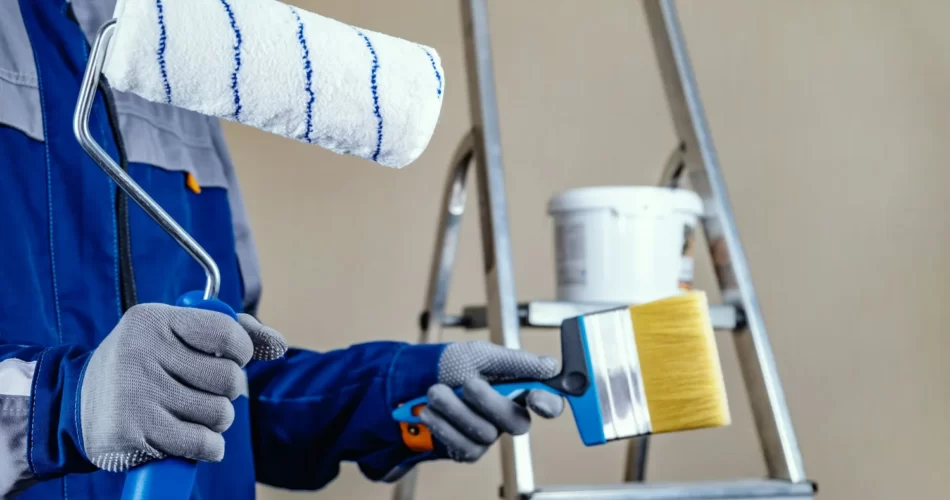
Water-Based Paints: Advantages and Ideal Uses
Water-based paints are progressively preferred because of their many benefits and convenience in different applications. These paints are primarily made up of water as a solvent, which makes them a more eco-friendly selection compared to their oil-based counterparts. They send out less unpredictable natural compounds (VOCs), lowering dangerous discharges during application. Quick drying out times permit faster job completion, making them optimal for both specialist and DIY usage.
Water-based paints offer superb adhesion and can be conveniently cleaned with soap and water, simplifying the cleaning procedure. They appropriate for a wide range of surfaces, consisting of walls, ceilings, and furniture. Furthermore, these paints give a smooth surface and are readily available in various coatings, from matte to glossy. Their adaptability makes them a favored option for indoor applications, where reduced odor and quick drying are vital. In general, water-based paints stick out for their flexibility, efficiency, and security.
Oil-Based Paints: Applications and characteristics
Oil-based paints are understood for their longevity and rich finish, making them a preferred option for various applications, particularly in settings that demand resilience. These paints usually have a binding representative originated from oil, which allows for a smooth application and an attractive gloss. Their outstanding attachment homes make them suitable for surface areas such as metal, wood, and stonework, ensuring long-lasting outcomes.
Additionally, oil-based paints supply outstanding coverage, usually requiring less layers than their water-based equivalents. They are particularly fit for high-traffic areas and surface areas revealed to dampness, such as cooking areas and bathrooms. They do have longer drying out times and send out stronger smells throughout application, calling for proper ventilation. Maintenance of oil-based finishes can be difficult, as they might yellow over time. However, their durability and aesthetic allure make them a preferred selection amongst professionals and do it yourself fanatics alike.
Specialty Paints: Checking Out Special Options
Specialty paints use one-of-a-kind solutions that provide to specific needs and applications beyond traditional alternatives. These paints consist of textured, metallic, and blackboard varieties, each designed for specific objectives. Distinctive paints can create a three-dimensional look, suitable for concealing blemishes on walls. Metallic paints give a glittering coating, commonly used for attractive accents or furniture, including a touch of elegance to any type of room. Chalkboard paint changes surfaces right into writable areas, making it preferred for offices, kitchens, and classrooms, where imagination and capability intersect.
Additionally, magnetic paints enable the accessory of magnets, changing walls into interactive areas. Anti-graffiti and anti-fungal paints serve safety roles, preserving surface areas versus vandalism and mold, respectively. These specialty paints broaden the possibilities for home owners and experts alike, offering customized services that improve both looks and utility in diverse environments.
Eco-Friendly Paints: Sustainable Choices for Your Jobs

Especially, lots of eco-friendly paints are naturally degradable and packaged in recyclable products, better enhancing their sustainability. Producers often emphasize accountable sourcing and production methods, guaranteeing that their items straighten with environmental preservation efforts.
The longevity of green paints has actually boosted considerably, making them suitable for various applications, from indoor wall surfaces to exterior surface areas. By selecting environment-friendly paints, customers add to a much healthier living environment while sustaining a much more sustainable future.
Tips for Choosing the Right Paint for Your Project
When picking the appropriate paint for a job, what elements should one consider to assure the finest outcomes? The surface area kind is important; different products such as metal, wood, or drywall require certain paint solutions. Next, the atmosphere plays a significant function; for circumstances, exterior tasks require weather-resistant paints, while interior areas might gain from low-VOC alternatives for healthier air top quality
Additionally, the desired coating affects the option; options range from matte to glossy, each offering distinctive appearances and toughness. Color selection should likewise straighten with the intended state of mind or performance of the area.
Budget plan factors to consider will direct the option process, as higher-quality paints might come with a higher cost tag but frequently yield far better protection and longevity. By assessing these variables, one can make educated choices that cause rewarding and effective paint end results.

Often Asked Inquiries
Just How Do Paint Completes Influence the Last Look?
Repaint coatings considerably influence the final look, with glossy finishes reflecting light and enhancing shades, while matte surfaces give a softer, more muted impact. Each finish creates distinct aesthetic appearances and effects general aesthetic appeals.
Can I Mix Different Kind Of Paint?
Mixing various kinds of paint is typically not suggested, as it can bring about concerns with attachment, structure, and finish. Compatibility in between paint kinds is essential; otherwise, the results might be problematic and unsatisfactory.
What Is the Shelf Life of Unopened Paint?
Unopened paint normally has a service life of 2 to ten years, depending upon the kind. Appropriate storage space in a trendy, completely dry area can aid maintain its quality and functionality for a longer duration.
Exactly How Can I Appropriately Take Care Of Surplus Paint?
To effectively deal with leftover paint, one must inspect neighborhood laws, think about donating useful paint, or take it to a contaminated materials facility. Proper disposal assurances environmental safety and compliance with neighborhood waste administration standards.
Exist Paint Options for Particular Climate Conditions?
Yes, certain paint options exist for different climate conditions, including moisture-resistant paints for humid atmospheres and heat-reflective paints for warm climates. Each type is developed to endure temperature level changes and ecological difficulties properly.
In addition, these paints offer a smooth coating and are offered in numerous finishes, from matte to glossy. Oil-based paints are recognized for their longevity and abundant finish, making more info them a preferred choice for various applications, particularly in environments that demand durability. benjamin moore paint store corpus christi. Paint finishes greatly influence the final look, with glossy finishes showing light and enhancing shades, while matte finishes supply a softer, much more low-key impact. To correctly dispose of remaining paint, one ought to inspect local guidelines, take into consideration donating usable paint, or take it to a harmful waste facility. Yes, certain paint choices exist for numerous weather condition problems, including moisture-resistant paints for damp settings and heat-reflective paints for sunny climates